In recent years, the concept of workplace design has undergone a significant shift. No longer just about rows of desks and conference rooms, modern offices are embracing flexibility, creativity, and employee well-being. At the heart of this transformation is breakout office furniture—a key element reshaping the way employees interact, collaborate, and recharge throughout the workday.
What Is Breakout Office Furniture?
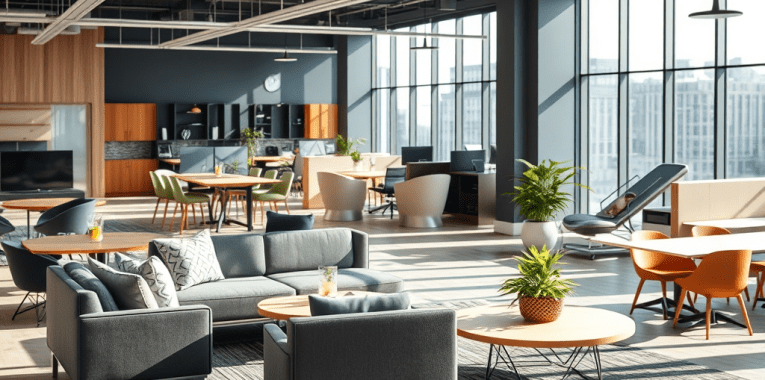
Breakout office furniture refers to the pieces designed specifically for informal, often multifunctional areas within an office. These are the spaces employees retreat to when they need a break from their desks, want to brainstorm ideas, or simply change their working environment. Unlike traditional office setups, breakout zones are typically more relaxed and dynamic, fostering a sense of openness and creativity.
This type of furniture can include everything from modular seating and soft furnishings to mobile workstations, coffee tables, acoustic pods, and collaborative benches. The flexibility it offers plays a crucial role in creating agile work environments that adapt to different tasks and working styles.
Why Breakout Spaces Matter in Modern Offices
As hybrid and flexible working models become more prevalent, organizations are rethinking how physical spaces support employee needs. Breakout zones serve multiple purposes and benefit companies in various ways:
- Encouraging spontaneous collaboration and creativity
- Reducing stress and enhancing mental well-being
- Supporting different work styles and preferences
- Breaking down hierarchical barriers through informal interactions
- Promoting movement and reducing sedentary habits
These benefits are not just anecdotal. Research has shown that well-designed breakout areas can improve employee satisfaction, productivity, and even retention rates.
Designing Functional Breakout Areas
Creating a successful breakout space involves more than just adding a few bean bags and calling it a day. It requires thoughtful planning and a clear understanding of how people use and move through the workspace.
Some key considerations when designing breakout zones include:
- Purpose: Will the area be used for focused work, casual meetings, or relaxation? Each use case requires a different layout and furniture selection.
- Flexibility: Modular furniture that can be easily rearranged encourages teams to adapt the space to their needs.
- Comfort: Soft seating, ergonomic design, and calming aesthetics all contribute to creating a space people want to use.
- Acoustics: Soundproofing elements or pods help manage noise levels, especially in open-plan offices.
- Technology Integration: Charging ports, display screens, or video call setups can make breakout spaces more functional for modern workflows.
Incorporating Breakout Furniture Into Existing Layouts
Integrating breakout furniture into an existing office layout doesn’t necessarily mean a full renovation. In fact, small, strategic additions can make a big difference. For instance:
- Placing a few lounge chairs and a coffee table near the window can instantly create a relaxation nook.
- Using mobile whiteboards or writable walls alongside soft seating fosters impromptu brainstorming.
- Introducing acoustic dividers can carve out quiet zones without constructing new walls.
Companies that prioritize flexibility can rotate layouts regularly, giving the space a fresh feel and adapting to changing team needs.
The Future of Office Environments
As companies continue to navigate the changing nature of work, the importance of human-centered design is becoming increasingly clear. Offices are no longer just about maximizing square footage or desk space—they’re about supporting how people work best. Breakout office furniture plays a pivotal role in this evolution by:
- Encouraging a culture of openness and innovation
- Supporting mental and physical well-being
- Allowing space for focused work, collaboration, and rest
By redefining what a “productive” workspace looks like, organizations are creating environments where employees feel more engaged, empowered, and at ease.
To explore further insights into how modern breakout furniture is transforming office dynamics, visit:
https://www.bestagencies.co.uk/modern-breakout-office-furniture-transforming-workspaces-for-enhanced-productivity/
In conclusion, as businesses strive to create more agile, inclusive, and responsive workspaces, breakout office furniture stands out as a strategic design element. It enables companies to respond to the growing demand for flexible, wellness-oriented environments—ultimately contributing to a more motivated and efficient workforce.
 Company Table