As the traditional office undergoes a fundamental transformation, one of the most visible and impactful changes is the growing popularity of breakout office furniture. While once confined to tech startups and creative agencies, breakout spaces are now becoming a staple in modern offices across industries. This shift isn’t just about aesthetics or trend-chasing—it represents a deeper evolution in workplace culture.
The increasing recognition of employee well-being, collaboration, and flexible work styles has brought breakout areas into the spotlight. And with them comes the need for thoughtful, versatile furniture that supports this new way of working.
What Defines Breakout Office Furniture?
Breakout office furniture refers to the soft seating, casual tables, and multi-purpose elements designed specifically for informal areas within a workplace. These pieces are not meant for all-day desk work or formal meetings. Instead, they support:
- Casual conversations
- Quick team huddles
- Focused solo work away from the desk
- Coffee breaks and decompression
- Informal brainstorming sessions
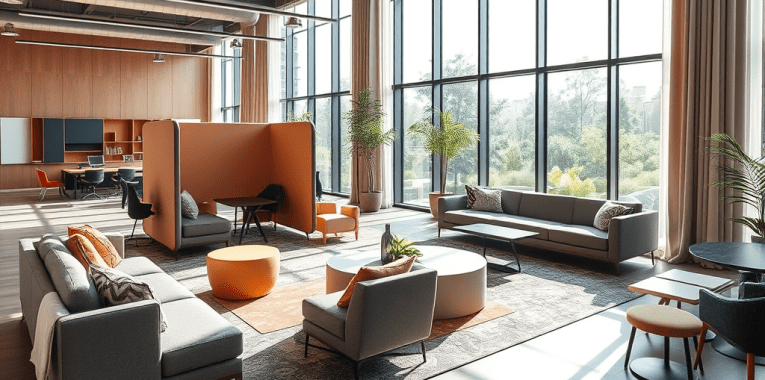
Typically, these pieces include modular sofas, acoustic pods, poufs, high stools, coffee tables, and even soft furnishings like rugs and curtains to define zones and soften the environment.
How Breakout Furniture Reflects a Shift in Workplace Priorities
Modern businesses are moving away from rigid hierarchies and siloed departments. In their place, we’re seeing flatter structures, agile teams, and a growing emphasis on open communication and mental well-being. Office design is evolving to reflect and support these changes.
Breakout furniture has become a symbol of this cultural shift because it:
- Encourages people to move around the office freely
- Supports a variety of work styles and postures
- Breaks down psychological barriers between teams
- Signals that downtime and informal interaction are valued
- Helps create a more human-centric workplace
The Flexibility Factor
One of the most valuable characteristics of breakout furniture is its adaptability. As hybrid work models continue to gain popularity, and office occupancy levels fluctuate daily, static layouts no longer make sense.
Breakout zones can be easily reconfigured to meet changing needs. For example:
- A lounge area can quickly become a pop-up meeting space.
- Modular seating can expand or shrink depending on group size.
- High tables can serve as both work surfaces and lunch spots.
This kind of flexibility empowers employees to choose where and how they work throughout the day, leading to increased satisfaction and performance.
Design Elements That Drive Productivity and Comfort
While comfort and aesthetics are important, effective breakout furniture also needs to support productivity. Well-designed pieces will:
- Provide enough ergonomic support for short-term use
- Encourage upright but relaxed posture
- Offer access to power outlets and surfaces for laptops or notebooks
- Include privacy options such as screens or acoustic panels
By carefully balancing relaxation with utility, breakout furniture allows employees to stay mentally engaged without the formality of a desk or meeting room.
Integrating Breakout Areas into the Office Layout
Successful breakout areas don’t just appear—they’re intentionally integrated into the overall office layout. Some key strategies include:
- Locating them near high-traffic areas like kitchens or hallways to encourage organic use
- Using design elements (like rugs, lighting, or wall colors) to visually define the space
- Ensuring a mix of open and semi-private breakout zones for different needs
- Making them accessible and inclusive for all employees
Designing these spaces with clear intent increases their adoption and helps embed them into everyday workflows.
The Role of Acoustics and Lighting
Comfort in a breakout zone isn’t only about the furniture. Sound and light play major roles in how a space is used and perceived. Offices are often noisy environments, and without proper acoustic control, breakout areas can become unusable.
Key considerations include:
- Acoustic wall panels or ceiling baffles to reduce echo
- Furniture with high backs or integrated acoustic shielding
- Natural lighting to improve mood and reduce eye strain
- Layered lighting (ambient, task, decorative) to suit different uses
These features make the space not only more pleasant but also more functional for a wide range of activities.
A Tool for Employee Engagement
Workplace design is a powerful, often underestimated tool for engagement. When employees feel they are supported and respected by their environment, they are more likely to engage with their work and their colleagues.
Breakout furniture, while seemingly simple, communicates important cultural messages:
- “We trust you to choose how and where you work best.”
- “We value collaboration and informal dialogue.”
- “Your comfort and mental space matter.”
These messages contribute to a more inclusive and psychologically safe environment, which has become a critical factor in talent attraction and retention.
Breakout Furniture in Action
A growing number of companies are sharing their successful implementations of breakout spaces. Real-world examples demonstrate how these zones improve internal communication, support wellness initiatives, and help teams innovate more effectively.
One such insight can be found in https://londonite.co.uk/modern-breakout-office-furniture-transforming-workspaces-for-the-future/, which outlines how breakout furniture is being used to future-proof workplaces by making them more adaptable and people-focused.
The Future Is Flexible
As we look ahead, it’s clear that breakout furniture is more than a design feature—it’s a response to fundamental changes in how we work. The increasing need for flexibility, well-being, and dynamic collaboration means these spaces will become even more critical.
Companies that invest in adaptable, inclusive, and thoughtfully designed breakout areas are not only creating more pleasant offices—they’re building a culture of trust, innovation, and resilience.
Conclusion
Breakout office furniture is emblematic of a broader transformation in the workplace. It’s not about beanbags and coffee tables—it’s about enabling employees to work in ways that are comfortable, collaborative, and conducive to their best performance.
By intentionally integrating these spaces into office design, businesses can foster a more supportive and productive environment that reflects the future of work.
 Company Table