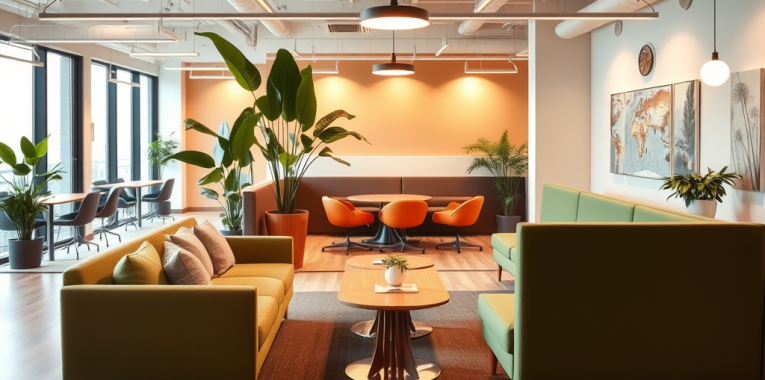
The modern office is no longer defined by rows of desks and fixed meeting rooms. Instead, companies are embracing more flexible, human-centered environments that encourage collaboration, creativity, and well-being. One of the most significant aspects of this transformation is the use of breakout office furniture—design elements specifically created to support informal workspaces and versatile office layouts.
Defining Breakout Office Furniture
Breakout office furniture refers to seating, tables, and other furnishings designed for communal, flexible areas of a workplace. Unlike traditional desks, these pieces are used in open spaces, lounges, or small breakout zones where employees can gather for quick discussions, brainstorming sessions, or moments of rest.
Such furniture is intentionally versatile. It is not tied to a single function, which makes it ideal for dynamic workplaces that need to adapt to changing tasks and team requirements.
The Role of Breakout Spaces in Modern Offices
Breakout spaces have become an essential part of office design. They allow organizations to create zones that balance productivity with relaxation. Employees benefit from having areas that are less formal than meeting rooms but more structured than a cafeteria or corridor.
Some of the most common functions of breakout furniture include:
- Supporting impromptu collaboration without the need to book a meeting room.
- Encouraging creativity by providing informal, relaxed settings.
- Giving employees a space to unwind and manage stress during the day.
- Strengthening company culture through casual interactions.
- Offering adaptable layouts that serve both small groups and larger gatherings.
Features to Consider When Choosing Breakout Furniture
Selecting breakout office furniture requires careful thought. Companies must balance design, functionality, and durability to ensure long-term benefits. Important factors include:
- Comfort and ergonomics – essential for both short and extended use.
- Flexibility and modularity – furniture that can be rearranged depending on needs.
- Durability – materials strong enough for frequent and varied use.
- Technology integration – including charging points or multimedia support.
- Acoustic elements – to provide privacy and reduce noise in open areas.
These considerations make breakout furniture more than just a design choice—it becomes a strategic investment in productivity and employee satisfaction.
Trends in Breakout Furniture Design
Workplace design evolves continuously, and breakout spaces follow these trends closely. Many companies now incorporate natural materials and biophilic elements such as plants, wood finishes, and natural light to enhance well-being. Sustainability is also a major focus, with recycled and eco-friendly materials being favored.
Another trend is technology integration. With hybrid and remote work becoming the norm, breakout furniture often includes features that support video conferencing, screen sharing, and plug-and-play setups.
For more insight into how these changes are shaping modern workplaces, you can explore:
https://moderaterisk.net/modern-breakout-office-furniture-transforming-workspaces-for-collaboration-and-creativity/
Impact on Workplace Culture
Breakout furniture is not only about functionality—it also influences organizational culture. Informal, comfortable spaces can make workplaces feel more inclusive and open. They encourage employees to connect across teams and hierarchies, leading to stronger collaboration and innovation.
By providing areas that support both work and rest, companies demonstrate their commitment to employee well-being. This, in turn, can improve retention, engagement, and overall satisfaction.
Conclusion
Breakout office furniture represents a shift in how companies view the workplace. It moves away from rigid, one-dimensional layouts and instead embraces flexibility, comfort, and collaboration. By investing in well-designed breakout spaces, organizations can create an environment where employees feel inspired, connected, and more productive.
As offices continue to evolve, breakout furniture will remain a key element in balancing professional demands with human needs, ensuring that workplaces are not only efficient but also enjoyable to be in.
 Company Table